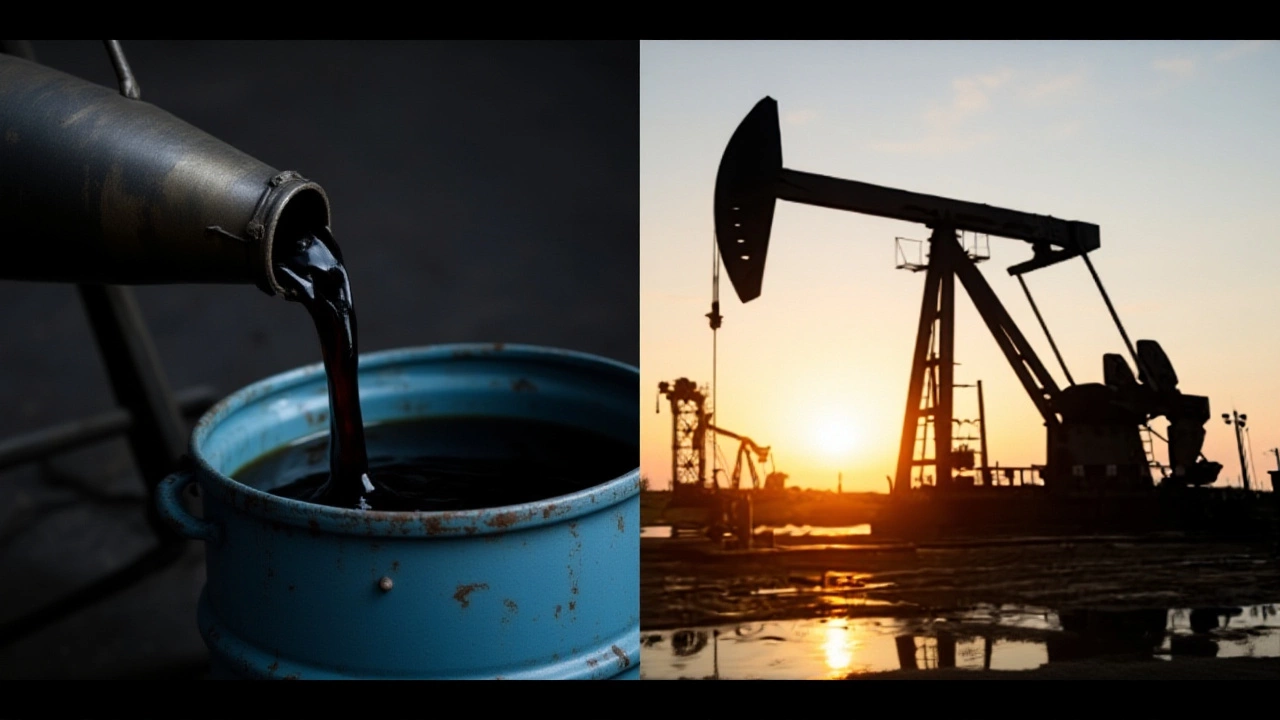
Global oil markets are in freefall, but not in the way investors usually hope for. Brent crude oil, the world’s primary benchmark for pricing petroleum, surged past $122 a barrel late Wednesday, marking its highest level in over three years. The spike wasn’t driven by supply shortages from OPEC cuts this time—it was pure geopolitical panic.
The trigger? Escalating tensions between the United States and Iran. With peace talks stalled and naval blockades looming over the Strait of Hormuz, traders are pricing in a worst-case scenario for global energy security. By Thursday morning, prices had already jumped roughly 10% in early trading, sending shockwaves through economies from India to Europe.
The Geopolitical Trigger
Here’s the thing: it’s not just about war rhetoric. It’s about logistics. The Strait of Hormuz is the world’s most critical oil chokepoint. About 20-30% of all globally consumed oil passes through that narrow waterway daily. When Donald Trump, the President of the United States, declared that sanctions on Iran would remain in place until Tehran agreed to nuclear deal terms on America’s conditions, he effectively kept a gun pointed at the heart of global supply chains.
Trump made his stance clear: no deal, no end to the blockade. This isn’t new policy, but the renewed emphasis has spooked markets. Industry analysts note that the halt in peace negotiations has created immediate uncertainty. "The market hates uncertainty more than bad news," one trader noted. "Right now, we have both."
Market Reaction: A Nine-Day Rally
The numbers tell a stark story. Brent crude futures didn’t just tick up; they rocketed. On Wednesday evening, contracts broke the $122 mark. By Thursday, the June contract rose by $1.91 to settle at $119.94 per barrel. Even the July contract, which is less volatile, climbed 0.85% to $111.38.
This isn’t an isolated blip. It’s part of a nine-day winning streak for oil prices. Meanwhile, the American benchmark, West Texas Intermediate (WTI), also saw significant gains, reaching highs near $112 per barrel before settling around $107.51. The parallel rise in both benchmarks confirms this is a global phenomenon, not a regional anomaly.
- Brent Crude: Surged past $122/barrel (3-year high)
- WTI Crude: Reached ~$112/barrel peak
- Trend: 9 consecutive days of price increases
- Key Driver: US-Iran diplomatic stalemate
Impact on Consumers and Economies
So, what does this mean for you? If you drive, fill up your tank, or use public transport, your wallet is already feeling the pinch. In New Delhi, petrol prices stand at ₹94.77 per liter, while diesel is at ₹87.67, according to data from Indian Oil Corporation Limited (IOCL).
But the ripple effects go far beyond pump prices. High oil costs act like a tax on every sector of the economy. Transport costs rise, which raises food prices. Manufacturing becomes more expensive, squeezing profit margins. For import-dependent nations like India, a sustained spike above $120 can widen current account deficits and put pressure on currency exchange rates.
Experts warn that if this situation doesn’t resolve quickly, we’re looking at a resurgence of consumer inflation. "We thought we were done with the post-pandemic price shocks," said one economic analyst. "This brings those fears right back to the forefront."
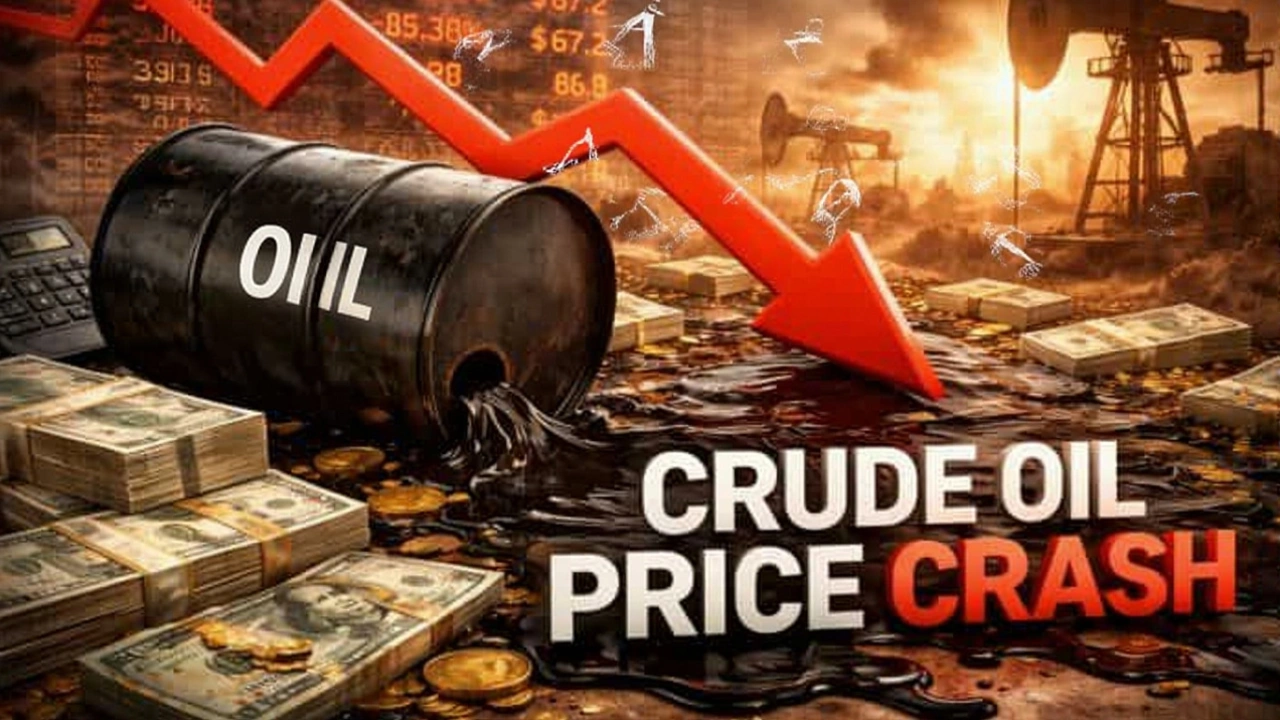
What Happens Next?
The details are still unclear regarding how long this standoff will last. However, the pattern is familiar. Markets react first to fear, then adjust to reality. If the Strait of Hormuz remains open, even under threat, prices may stabilize once the initial panic subsides. But if physical disruptions occur—tankers being detained, shipping lanes closed—we could see prices push toward $130 or higher.
Watch for two things in the coming weeks: any diplomatic breakthroughs between Washington and Tehran, and inventory reports from the US Energy Information Administration. These will signal whether the supply crunch is real or perceived.
Frequently Asked Questions
Why did oil prices hit a 3-year high?
Oil prices surged due to escalating geopolitical tensions between the US and Iran. Specifically, the suspension of peace talks and the continued threat of naval blockades in the Strait of Hormuz—a key global oil transit route—created fears of supply disruption, driving traders to bid up prices.
How does this affect everyday consumers?
Higher crude oil prices lead to increased costs for petrol, diesel, and aviation fuel. This directly impacts transportation costs, which can raise the price of groceries, goods, and services. In India, for example, petrol prices in New Delhi are currently ₹94.77 per liter, and further hikes are likely if global trends continue.
What is the role of the Strait of Hormuz?
The Strait of Hormuz is a narrow waterway between Oman and Iran through which approximately 20-30% of the world’s oil supply passes. Any disruption here, such as a blockade or conflict, immediately threatens global energy security, causing sharp spikes in oil prices worldwide.
Will these high prices last?
It depends on diplomatic developments. If the US and Iran resume talks or de-escalate tensions, prices may correct downward. However, if the standoff continues or physical disruptions occur in the Strait, high prices could persist, potentially leading to broader inflationary pressures globally.