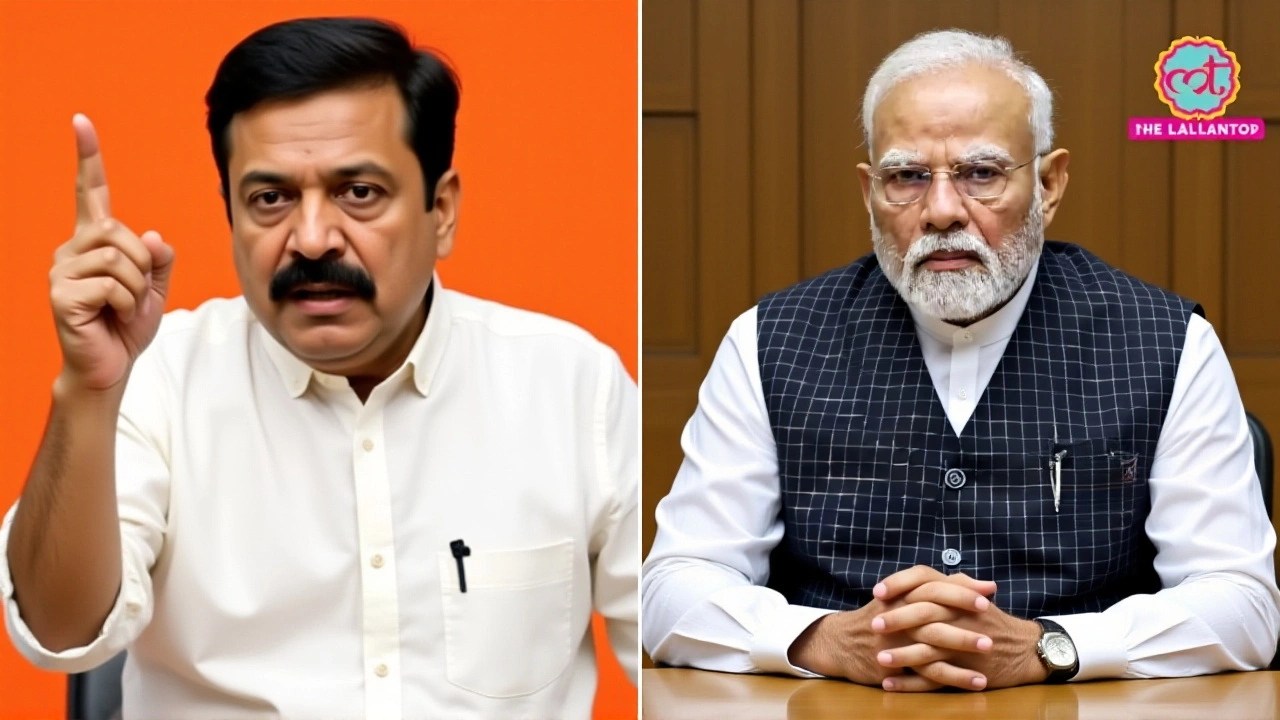
When Rahul Gandhi, Leader of Opposition in the Lok Sabha, declared that the current government would collapse within twelve months, the political temperature in New Delhi spiked instantly. Speaking on May 24, 2026, during a closed-door meeting of the Congress party’s minority advisory committee, Gandhi didn’t mince words. He argued that mounting economic pressures and global instability were creating a powder keg of public anger.
The twist is that this wasn't just casual opposition rhetoric. It was a specific timeline—a one-year countdown—delivered with startling confidence. For a ruling party that has dominated Indian politics for nearly two decades, hearing its own demise predicted so precisely by the primary opposition leader is designed to unsettle investors, voters, and allies alike.
The Economic Argument Behind the Prediction
Gandhi’s claim rests heavily on the state of the economy. He pointed to international economic conditions as the primary catalyst for domestic dissatisfaction. "The way economic conditions are in the country, if they remain like this, this government won't last even one year," he stated, according to reports from Aaj Tak.
Here's the thing: inflation and unemployment are perennial issues in any large democracy, but Gandhi framed them as existential threats to the administration. He cited rising fuel prices—specifically petrol and diesel—as immediate pain points for the common citizen. When daily commute costs go up, the wallet feels it first. Combine that with what he described as a "deepening economic crisis" and severe unemployment, and you get what Gandhi calls "massive anger among people."
He also referenced geopolitical tensions, noting that even if ongoing global conflicts don't escalate further, their "scanning effect" (economic ripple effects) would persist for at least six months. This suggests his prediction isn't just about domestic policy failures, but how the government handles external shocks.
BJP’s Sharp Rebuttal: Conspiracy or Concern?
The reaction from the ruling party was swift and severe. Piyush Goyal, Central Minister of the Bharatiya Janata Party (BJP), didn't just dismiss the comments; he attacked the motive behind them.
Goyal labeled Gandhi’s statement as part of a "major conspiracy" by the "toolkit gang"—a derogatory term the BJP uses to describe opposition parties and activists allegedly working to destabilize India. "Rahul Gandhi's statement indicates a major conspiracy... dreaming of destabilizing India," Goyal said. The BJP narrative frames this not as legitimate criticism, but as an attempt to spread anarchy and undermine national stability.
This kind of language turns a policy debate into a moral battle. It’s no longer just about whether the economy is good or bad; it’s about who loves the country more. By accusing the opposition of wanting chaos, the BJP aims to inoculate its supporters against economic grievances.
Broader Political Context and Alliances
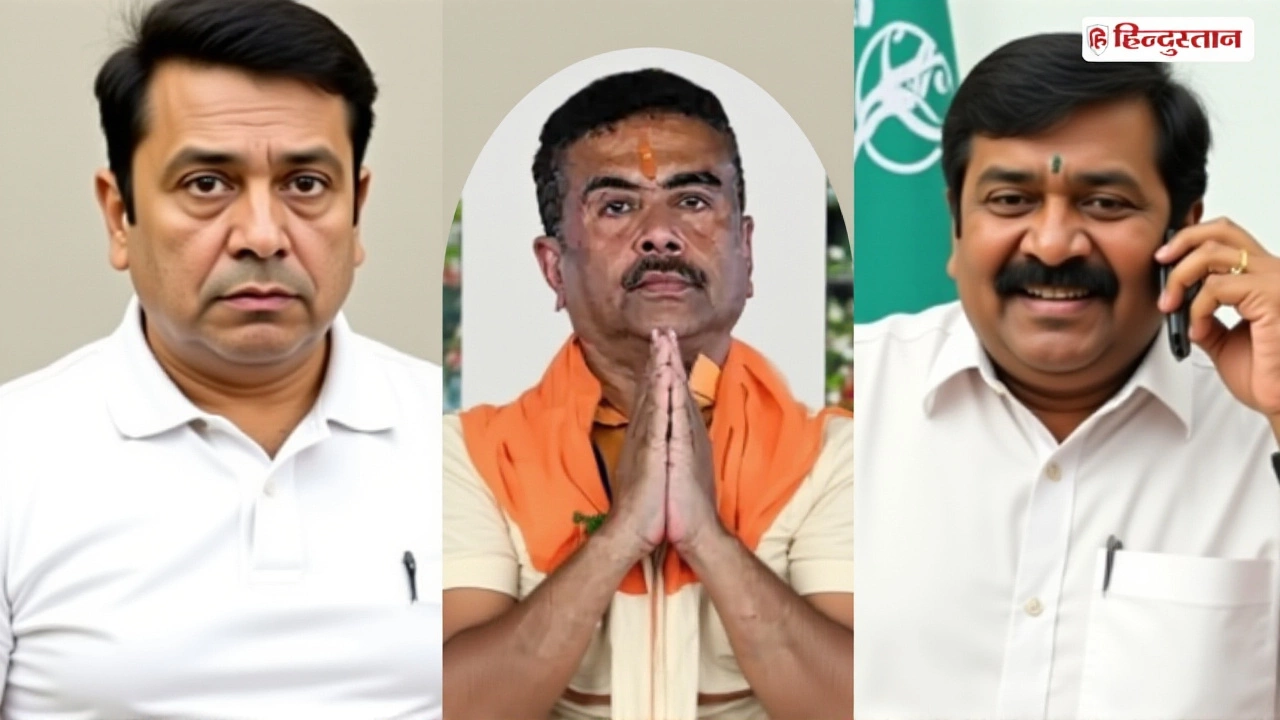
Gandhi’s remarks didn’t exist in a vacuum. They came amidst a broader wave of opposition coordination. Akhilesh Yadav, chief minister of Uttar Pradesh, recently predicted that the BJP would lose the 2027 Uttar Pradesh Assembly elections. His logic? If the BJP loses its stronghold in UP, the federal government in Delhi becomes vulnerable.
This creates a domino theory of political collapse. First, local elections turn against the ruling party. Then, national confidence erodes. Finally, the central government falls. While analysts might call this optimistic, it clearly energizes the opposition base. The mention of Mamata Banerjee in related analyses suggests a united front is forming across different regional lines.
Public Reaction and Media Frenzy
The digital footprint of this announcement was immediate. Within hours, YouTube news channels like DB Live Breaking News streamed live analysis, garnering over 123,000 views in just six hours. Podcasts like OCShow featured debates between political commentators Dhirendra Pundir and Eklavya Singh, dissecting the implications of Gandhi’s timeline.
Why does this matter to the average voter? Because it signals that the opposition believes it has momentum. When leaders predict victory—or the opponent's defeat—they are often testing the waters to see if the public agrees. If the sentiment matches the prediction, the stakes for the next election cycle rise dramatically.
Frequently Asked Questions
What exactly did Rahul Gandhi predict?
On May 24, 2026, Rahul Gandhi stated that the Modi government would fall within the next year. He based this prediction on worsening international economic conditions, rising inflation, unemployment, and increasing fuel prices, which he believes will lead to massive public dissatisfaction.
How did the BJP respond to these claims?
BJP Central Minister Piyush Goyal strongly condemned the statement, calling it a "conspiracy" by the "toolkit gang" to destabilize India. The BJP accused the Congress party and other opposition groups of trying to spread anarchy rather than offering genuine governance alternatives.
Where was this statement made?
The statement was made during a formal meeting of the Congress party's minority advisory committee. This body focuses on addressing issues concerning minority communities in India, making the platform significant for highlighting socio-economic grievances.
Are other opposition leaders supporting this view?
Yes, there are signs of coordinated messaging. Akhilesh Yadav recently predicted BJP losses in the 2027 Uttar Pradesh elections, suggesting that losing key states could weaken the central government. This aligns with Gandhi’s broader narrative of impending political change.
What role do global factors play in this prediction?
Gandhi cited international economic conditions and ongoing geopolitical conflicts as key factors. He argued that even without new wars, the existing economic "scanning effects" would impact India for at least six months, exacerbating domestic issues like fuel prices and inflation.